On this page
AT A GLANCE
A situation/action/outcome spread uses three cards to distinguish what is happening, what you could do and where that response might lead. The outcome is a conditional direction for reflection. It should not be treated as a guarantee or as permission to act without checking the facts.
Explore tarot spreads →
- 1. Current situation
- 2. Constructive action
- 3. Possible direction after that action
Define the positions before drawing #
1 — Situation: the pattern or issue to understand. 2 — Action: a response within your control. 3 — Outcome: a possible direction if that response is taken, given the situation as understood now. Lay the cards left to right.
The second position is the center of the method. If its interpretation depends on another person changing, rewrite it into something you can actually do, such as asking, preparing, setting a boundary or obtaining information.
Connect action to the situation #
First explain how card two responds to card one. Then ask whether card three offers a useful way to evaluate the action. A difficult outcome card may indicate a cost or issue to plan for, not a prohibition.
A passive-looking card in the action position can still suggest a deliberate choice. The Four of Swords might mean scheduling a pause; the High Priestess might mean listening and distinguishing known facts from assumptions.
Worked example: unclear responsibilities #
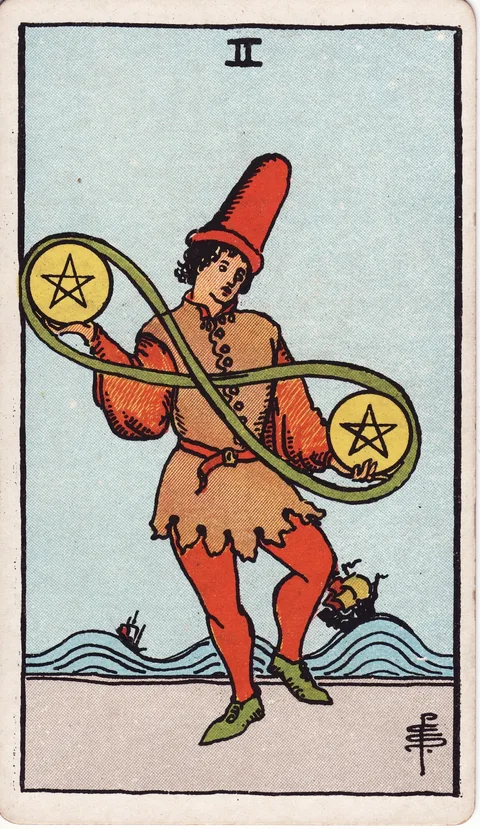
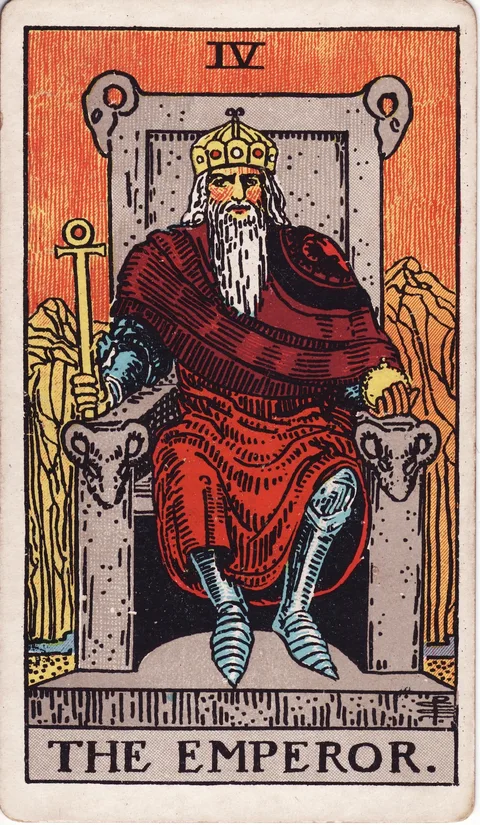
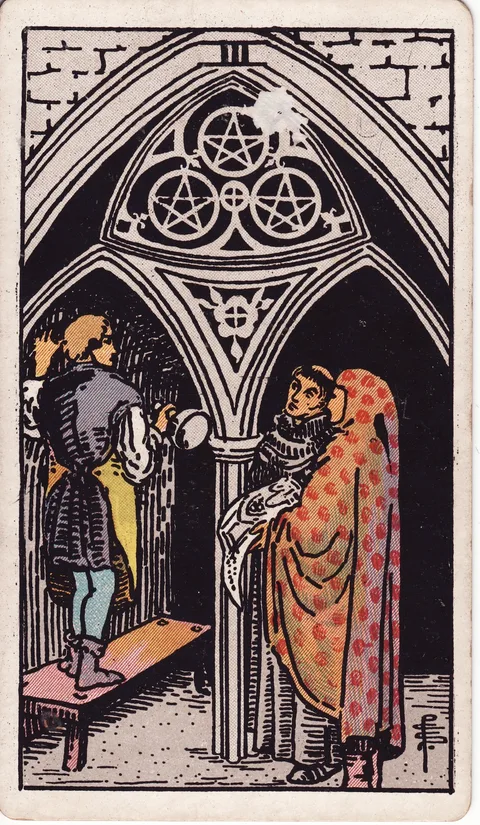
Situation: Two of Pentacles. Action: The Emperor. Outcome: Three of Pentacles. A practical reading is that constant juggling may improve through explicit responsibilities, making coordinated work more possible.
The action is to agree who handles which tasks and how decisions are made. The outcome card becomes a criterion: is collaboration now clearer? It does not prove that imposing authority will make everyone cooperate.
Use the spread as a discussion tool #
Do not let the third card erase the agency built into the second. Outcomes also depend on resources, other people and changing circumstances. Record what action was chosen and review its actual effect.
This guide uses a common modern three-position structure with original examples. It does not claim a universal traditional wording, and it is not a substitute for relevant evidence in a high-stakes decision.
Sources & editorial notes
Original explanations and hypothetical examples prepared with AI assistance for Synergy. Sources document the traditions described; they do not establish predictive or causal validity.
Rider–Waite–Smith artwork by Pamela Colman Smith, public domain. Images are resized historical scans from Wikimedia Commons; the full card images retain their borders and original coloring. Image sources and credits.
- A. E. Waite, The Pictorial Key to the Tarot (1911), illustrated by Pamela Colman Smith
Part III, sections 6–8: historical evidence for interpreting cards within positions. The layout definitions and worked examples in this guide are editorial teaching choices, not quotations or claims of ancient provenance.
Related tarot reading
One-card tarot spread
A focused question, one defined position and an interpretation small enough to use.
Five-card problem-solving spread
A compact cross for situation, obstacle, support, action and a conditional direction.
Interpreting tarot cards together
Combine positions, repeated motifs and contrasts without turning a spread into an arbitrary story.
Put it into practice
The daily reading uses 22 Major Arcana cards. A draw is not guaranteed to include the card you are studying.
Try Synergy’s daily one-card reading (Major Arcana only) →