On this page
AT A GLANCE
Interpret cards together by preserving each position’s role and then examining how the images support, complicate or redirect one another. A combination is a contextual reading, not a fixed formula. The same pair can mean different things in different questions.
Explore tarot foundations →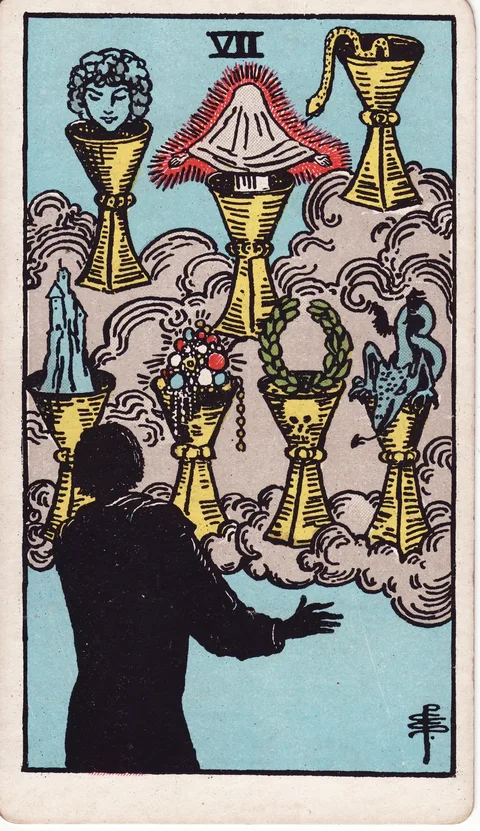
Start with the job of each card #
In a situation/action spread, card one describes a pattern and card two a possible response. Do not read both as predictions. Write one sentence for each before connecting them with a phrase such as ‘so a useful response might be…’
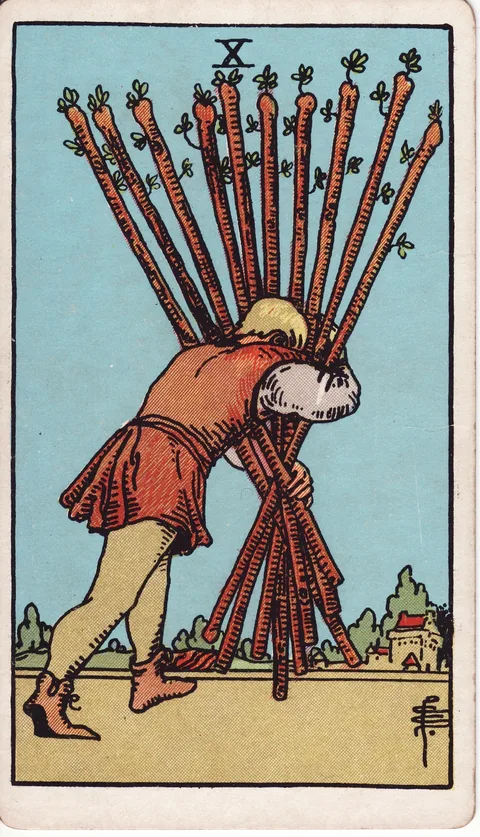
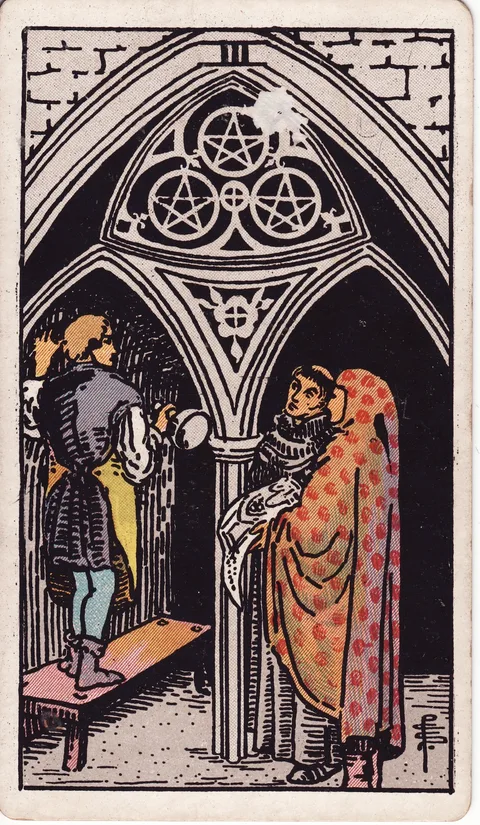
Ten of Wands as situation and Three of Pentacles as action can suggest that overload may be addressed through clearer collaboration. Reversing their positions would raise a different question about shared work becoming burdensome.
Notice repetition and contrast #
Repeated suits may invite attention to a type of concern: practical conditions in Pentacles, for example. Repeated ranks can add a numerical layer if you use that method. Neither pattern overrides a specific card’s scene or the question.
Contrasts can be especially useful. Eight of Wands moves quickly while Four of Swords pauses. Together they may raise a question about pacing, not cancel one another out. Decide which position asks for movement and which asks for rest.
Build a bounded synthesis #
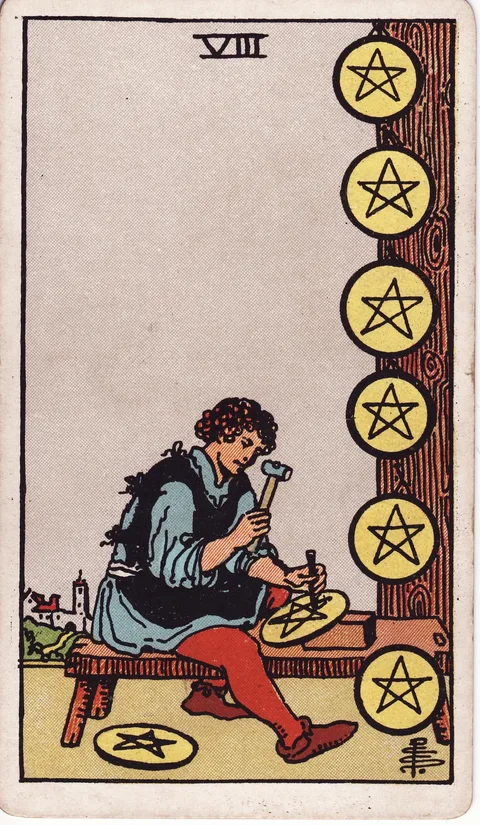
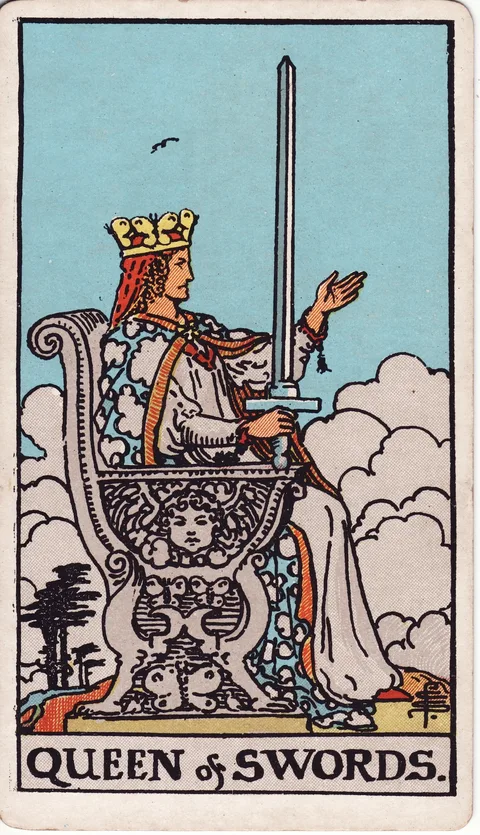
Question: ‘How can I finish this guide?’ Situation: Seven of Cups. Action: Eight of Pentacles. Support: Queen of Swords. One reading is that too many possibilities are dispersing effort; a focused practice and clear editorial boundaries could help.
The practical step is to choose a scope, work through one section and ask for specific feedback. The cards do not establish that the guide will be published. The synthesis is useful because it connects to a real action and can be revised.
Avoid combinational overreach #
Do not infer an affair from three figures, a pregnancy from two nurturing images or a disaster from several difficult cards. Those conclusions add factual claims the arrangement cannot verify.
Esoteric methods such as elemental dignities have their own rules and historical sources. They are optional, and should be named when used. This beginner method keeps question, position and image central instead of requiring a hidden correspondence system to make every pair readable.
Sources & editorial notes
Original explanations and hypothetical examples prepared with AI assistance for Synergy. Sources document the traditions described; they do not establish predictive or causal validity.
Rider–Waite–Smith artwork by Pamela Colman Smith, public domain. Images are resized historical scans from Wikimedia Commons; the full card images retain their borders and original coloring. Image sources and credits.
- A. E. Waite, The Pictorial Key to the Tarot (1911), illustrated by Pamela Colman Smith
Parts II–III: historical imagery, divinatory meanings and use of positions. Modern reflective procedures and examples are editorial choices.
- Golden Dawn, Book T: The Tarot (historical manuscript compilation)
Historical suit and court structure; specialized correspondence methods are distinct from the beginner method used here.
Related tarot reading
How to read tarot
A practical sequence for questions, positions, images, interpretation and a useful next step.
Numbers in tarot
Use printed ranks and optional digit reduction while keeping card imagery and personal numerology distinct.
Understanding court cards
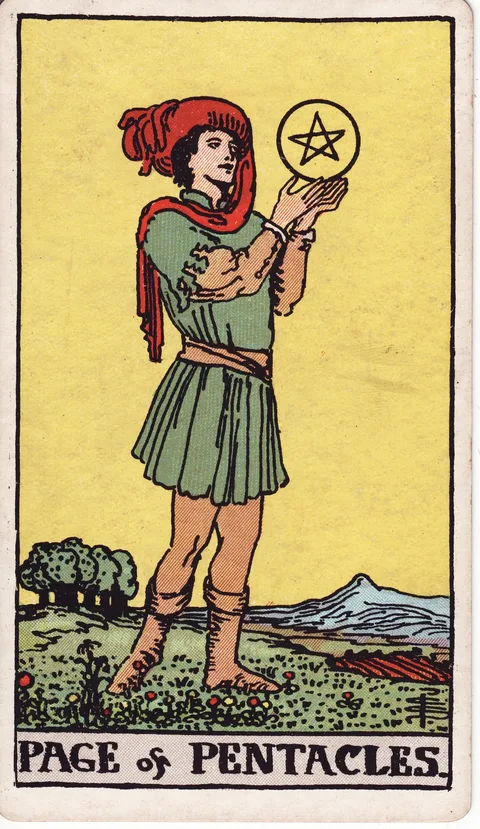
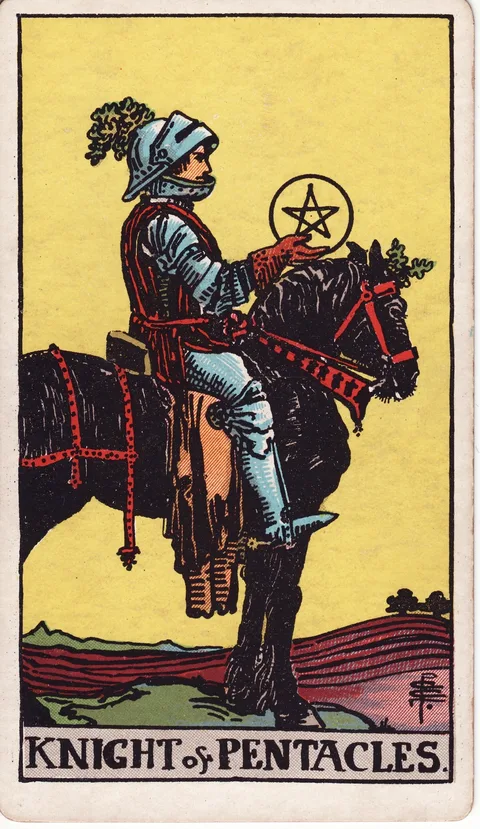
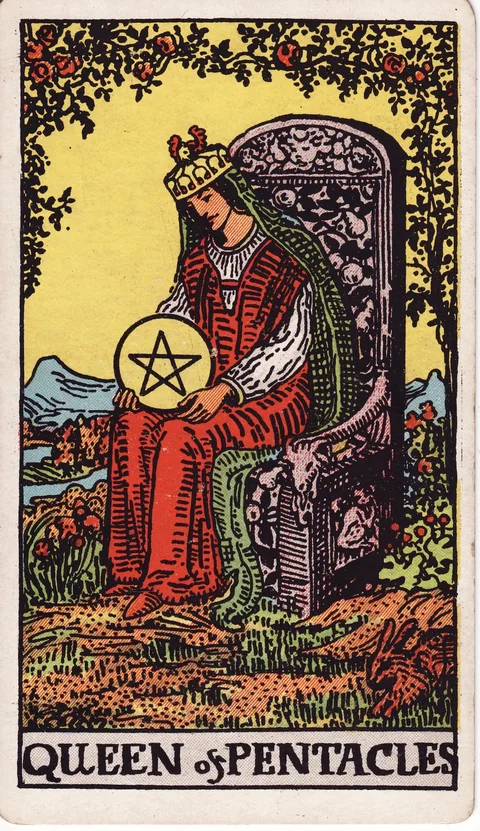
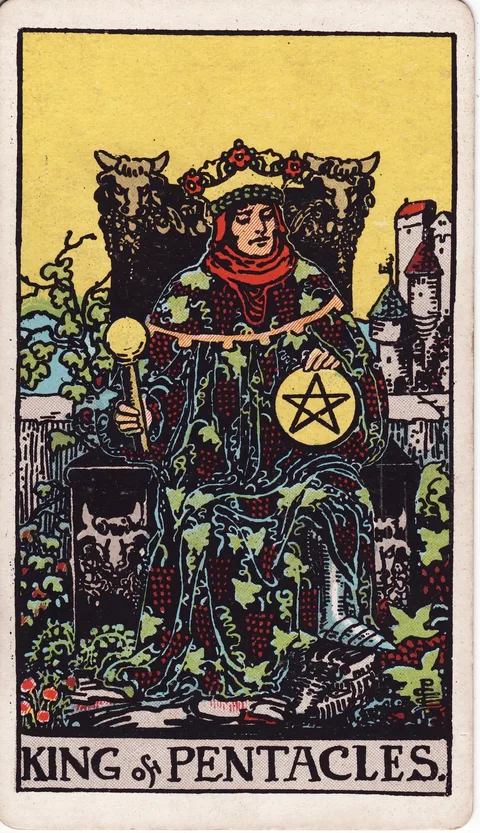
Read Page, Knight, Queen and King as people, roles or approaches without fixed demographic labels.
Put it into practice
The daily reading uses 22 Major Arcana cards. A draw is not guaranteed to include the card you are studying.
Try Synergy’s daily one-card reading (Major Arcana only) →