On this page
AT A GLANCE
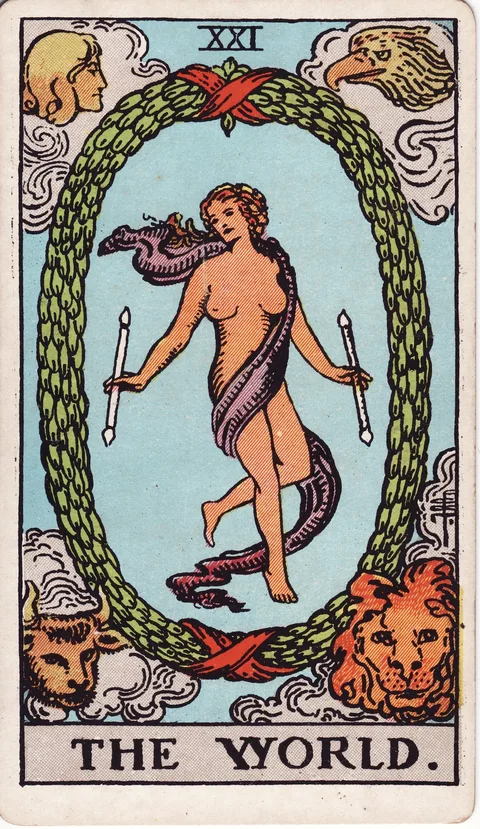
The Major Arcana are the 22 named trumps in a standard tarot deck, from the Fool through the World. They often frame broad questions of identity, values, change and responsibility. They are not automatically more important than the other cards in every reading.
Explore major and minor arcana →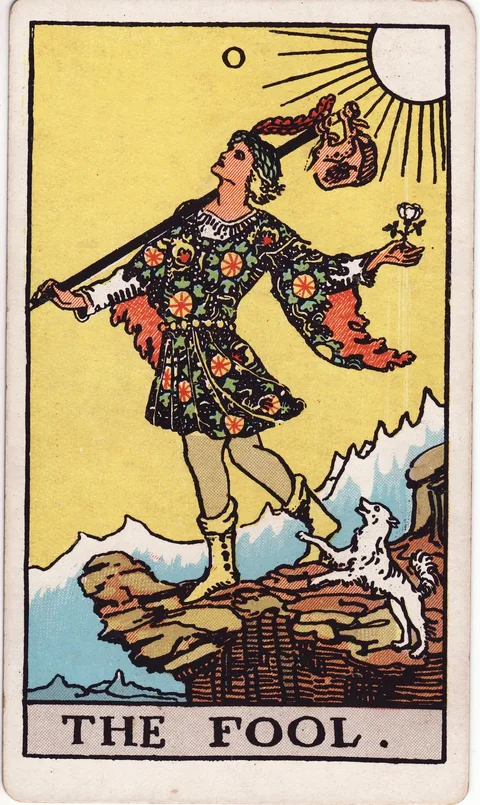
How the sequence is organized #
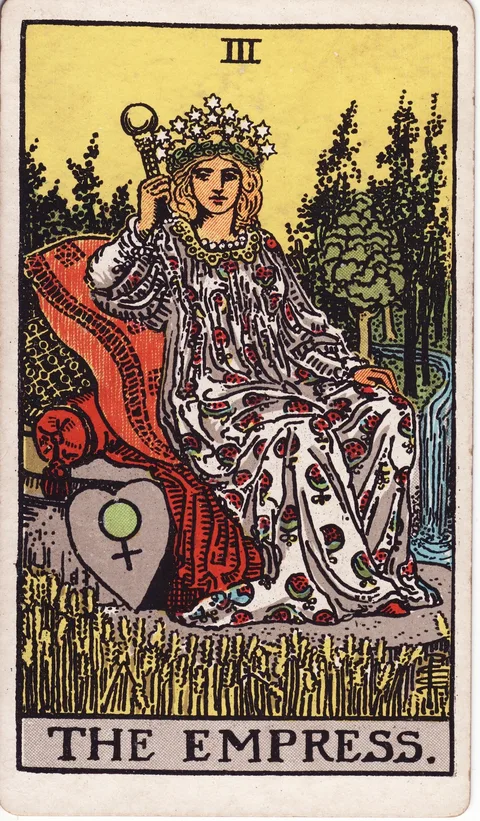
In Rider–Waite–Smith, the Fool is 0 and the remaining cards run I–XXI. Strength is VIII and Justice XI. Many Marseille decks reverse those two numbers. Learning the names, pictures and sequence gives you a stable reference before adding correspondences.
The term ‘Major Arcana’ belongs to tarot’s esoteric vocabulary. Tarot originated as a card game; later occult traditions gave the trumps elaborate spiritual and divinatory frameworks. A historical sequence and a modern spiritual interpretation should not be presented as the same kind of claim.
What majors contribute to a reading #
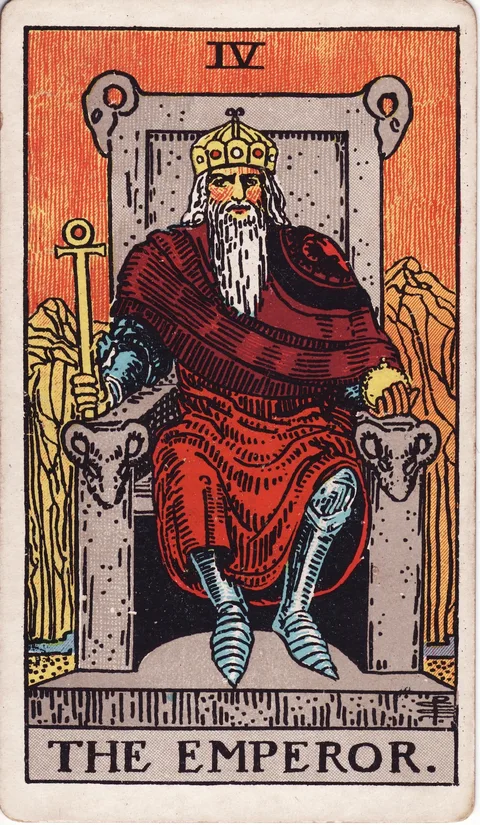
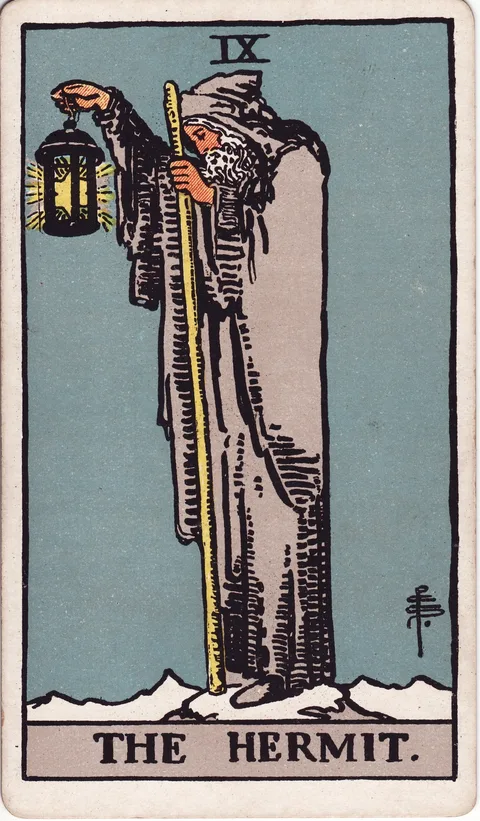
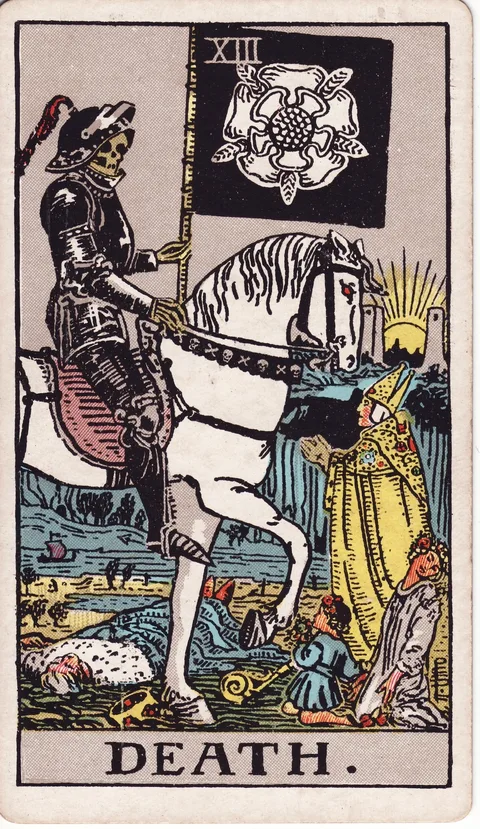
A major can invite a wider frame around a practical question. The Emperor might raise the issue of structure; the Hermit deliberate inquiry; Death an ending. The spread position still matters: the Emperor as support differs from the Emperor as an obstacle.
If several majors appear, you might explore whether the question touches larger commitments or transitions. That is an interpretive choice, not proof that fate has become more forceful. A single Minor Arcana card can be the most actionable part of a reading.
Using the Fool’s Journey without forcing a story #
The Fool’s Journey is a modern teaching framework that treats the sequence as a symbolic journey through experience. It can help memory, but it is not the only way to understand the cards and does not establish that everyone must pass through the same stages in order.
For example, the Hanged Man may invite a changed perspective without implying that the next real-life event must resemble Death. Read the actual question and arrangement instead of turning the sequence into a predictive schedule.
A useful first study practice #
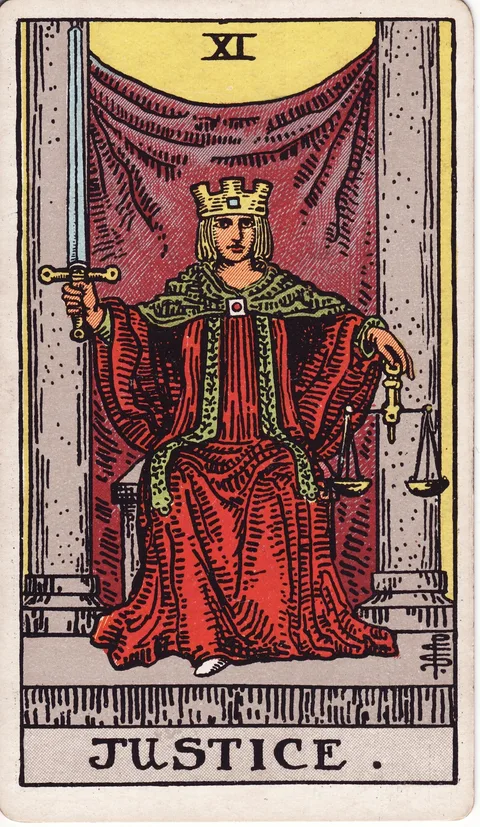
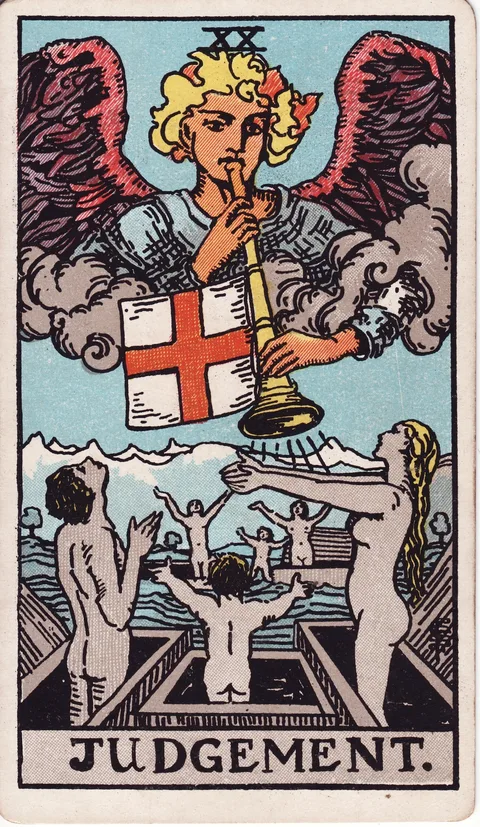
Compare two majors with overlapping themes: Justice weighs a matter and accountability; Judgement often frames a larger reassessment and response. Note the image details that support the distinction.
Study the full card directory through ordinary links, then try one card in a clearly named position. No card establishes a diagnosis, a destined partner or a supernatural judgment of your character.
Sources & editorial notes
Original explanations and hypothetical examples prepared with AI assistance for Synergy. Sources document the traditions described; they do not establish predictive or causal validity.
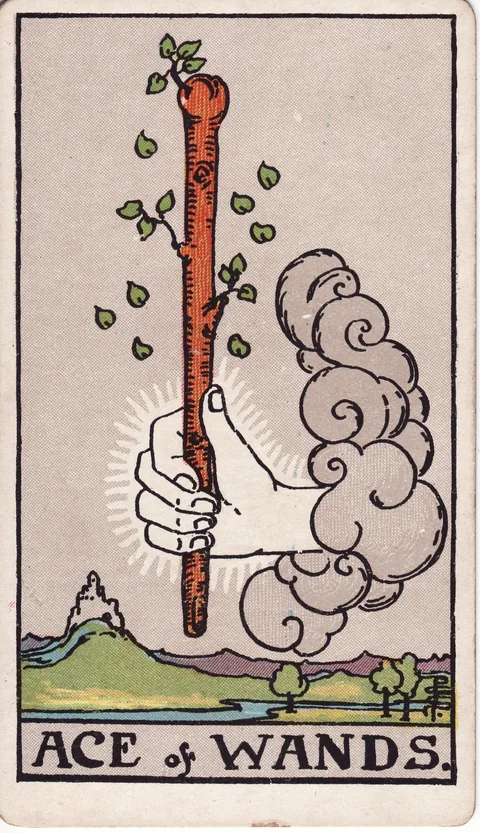
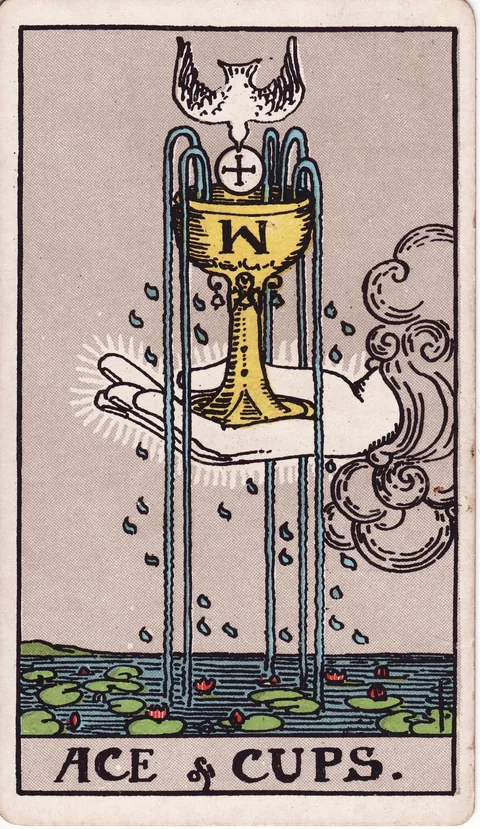
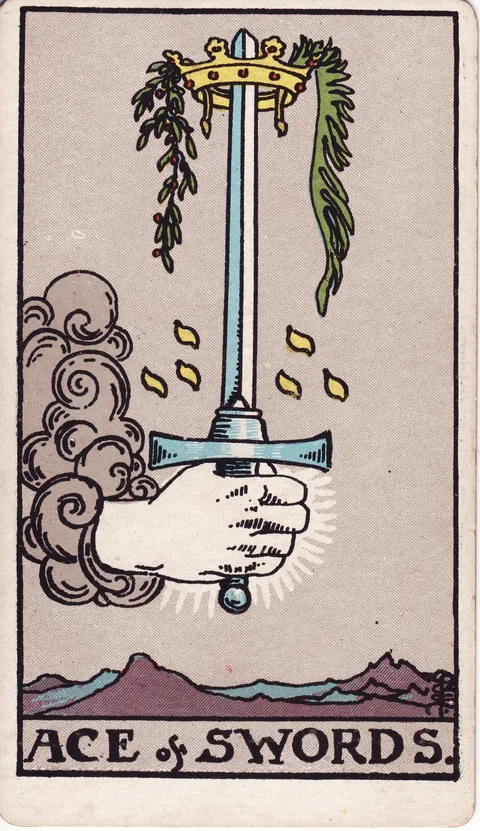
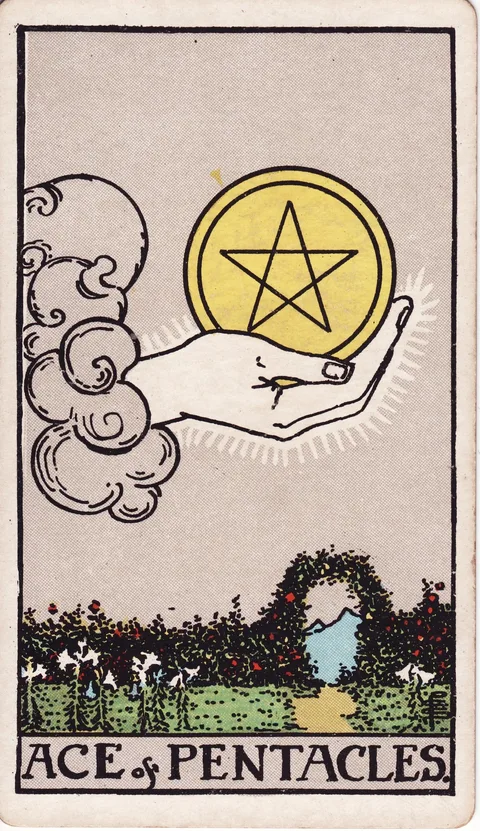
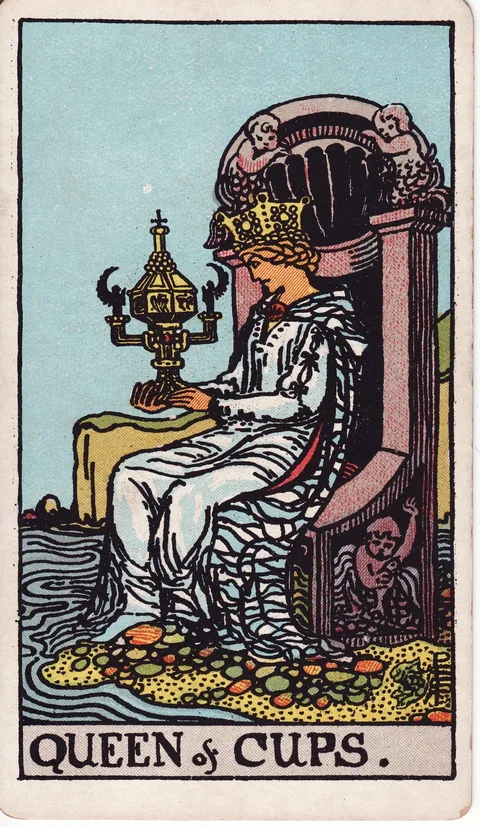
Rider–Waite–Smith artwork by Pamela Colman Smith, public domain. Images are resized historical scans from Wikimedia Commons; the full card images retain their borders and original coloring. Image sources and credits.
- A. E. Waite, The Pictorial Key to the Tarot (1911), illustrated by Pamela Colman Smith
Parts I–III: deck divisions, suit images and card sequence. Interpretive examples here are original.
- Golden Dawn, Book T: The Tarot (historical manuscript compilation)
Printed pages 3–7 and the suit sections: Golden Dawn elemental and astrological attributions.
Related tarot reading
Put it into practice
The daily reading uses 22 Major Arcana cards. A draw is not guaranteed to include the card you are studying.
Try Synergy’s daily one-card reading (Major Arcana only) →