On this page
AT A GLANCE
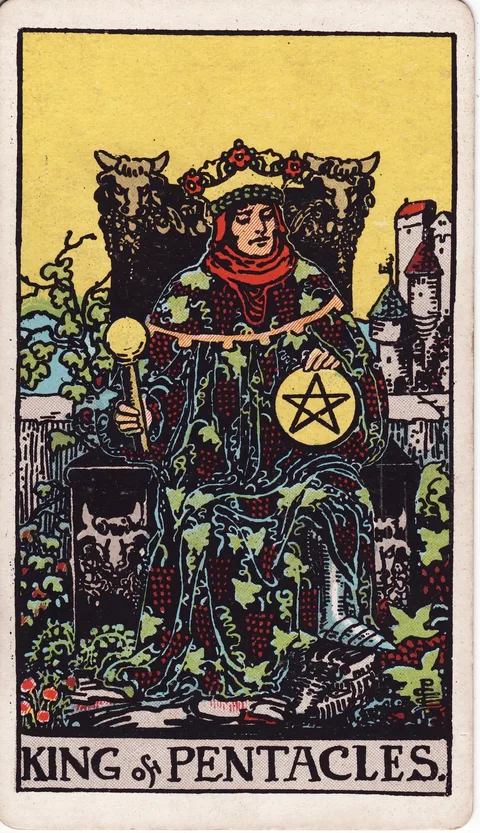
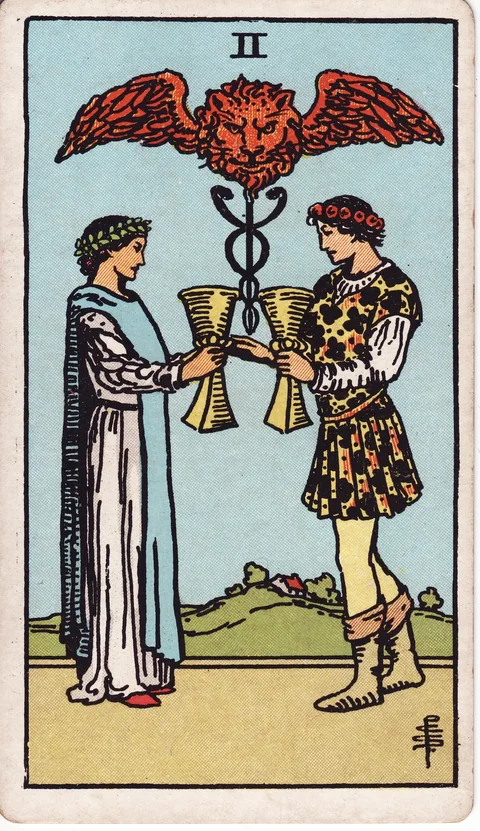
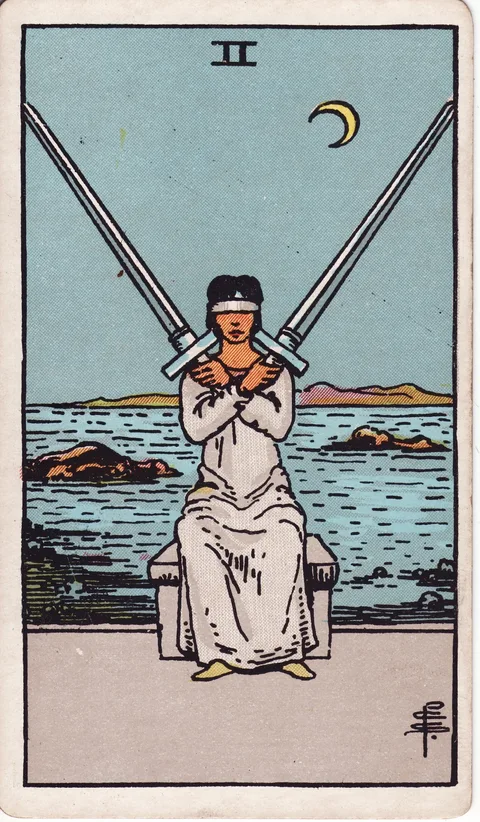
The Minor Arcana are the 56 suited cards in a standard tarot deck. Each of four suits contains an Ace through Ten plus Page, Knight, Queen and King in Rider–Waite–Smith. They give a reading practical texture: actions, feelings, decisions, resources and ways of participating.
Explore major and minor arcana →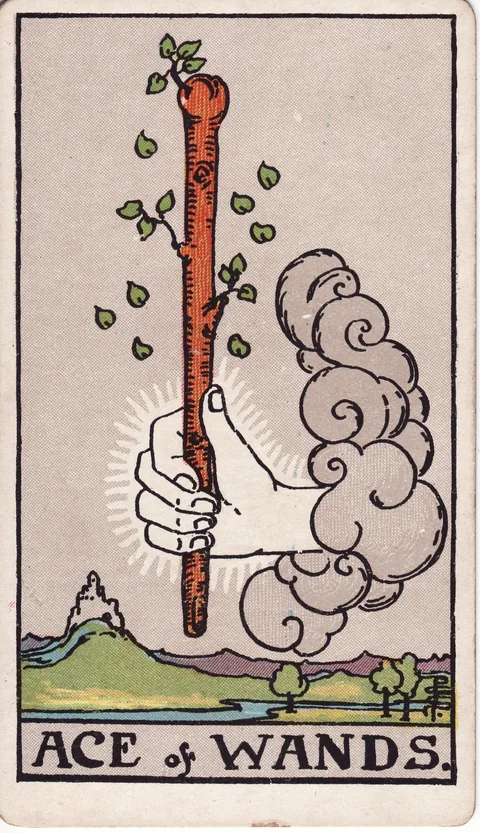
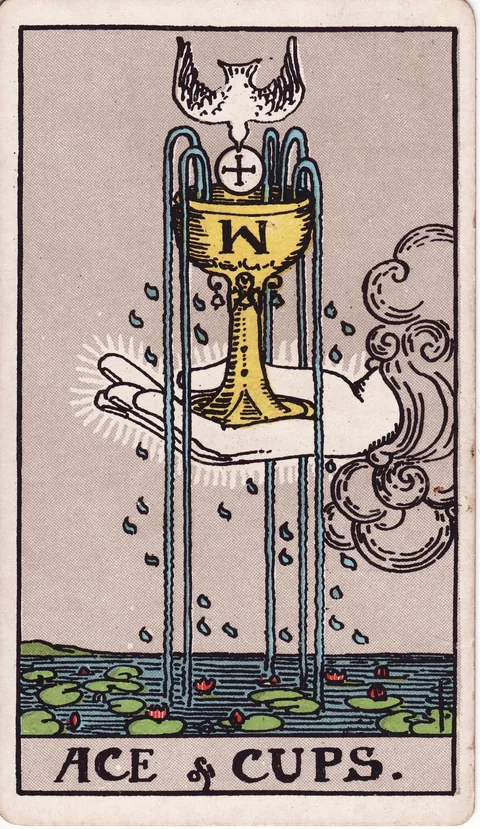
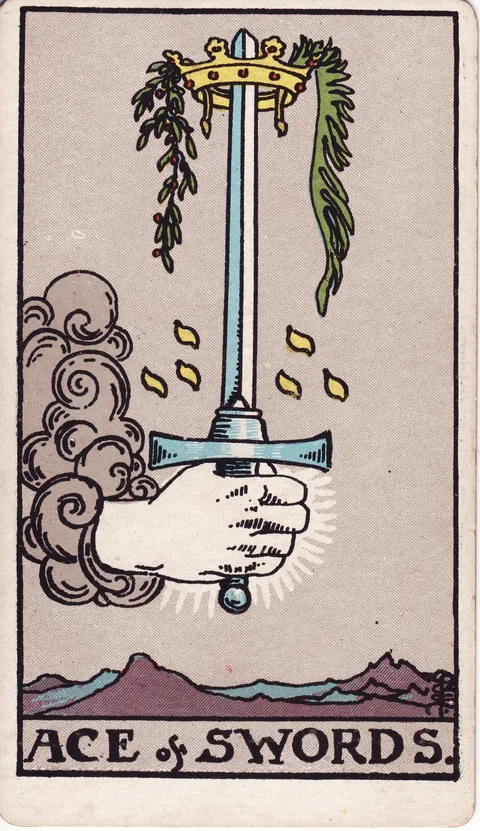
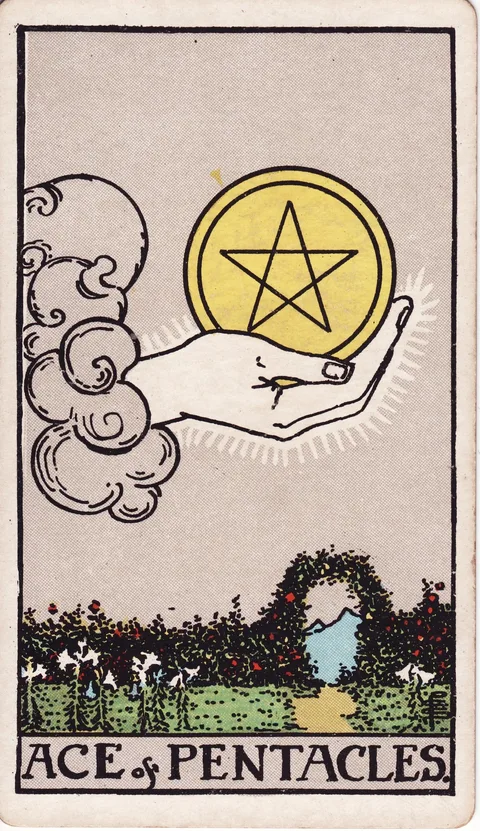
Four suits and fourteen cards in each #
Wands emphasize initiative and creative effort; Cups feeling and relationship; Swords thought, language and conflict; Pentacles material conditions and practice. These are starting vocabularies, not exclusive compartments of life.
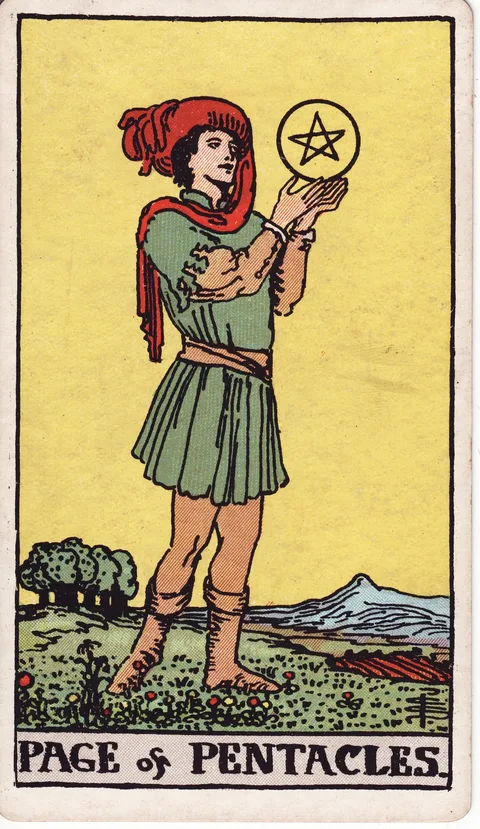
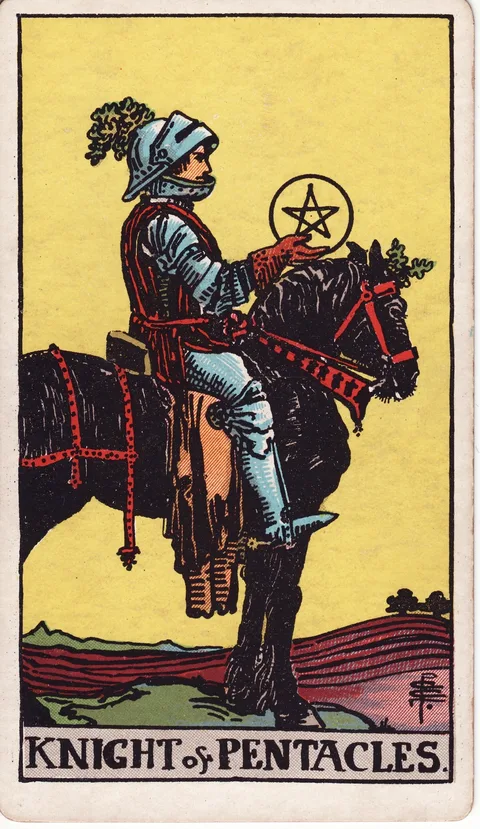
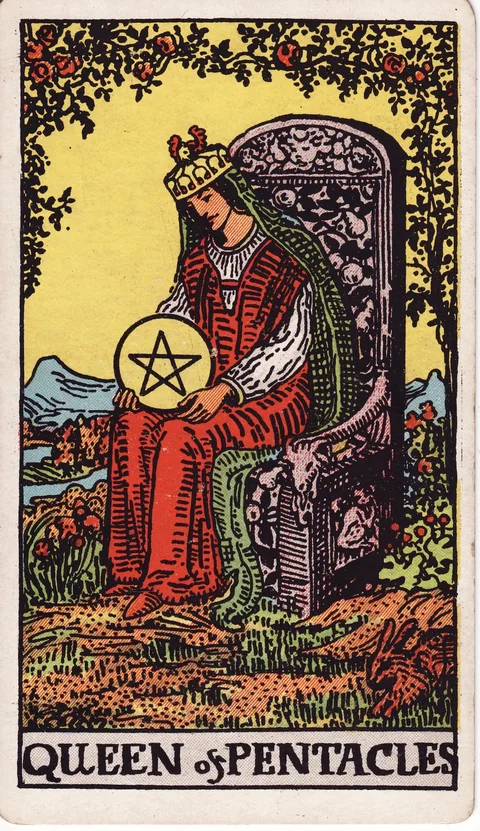
The four Aces introduce a suit’s potential. Cards Two through Ten offer different situations and developments. The sixteen court cards can represent roles, people or approaches. They do not have to describe fixed ages or genders.
Why the deck tradition matters #
RWS gives the numbered cards illustrated scenes. A Three of Swords therefore asks you to consider the pierced heart, not merely a general theory of the number three. Marseille pips usually arrange suit emblems without those narrative scenes, leading to different reading methods.
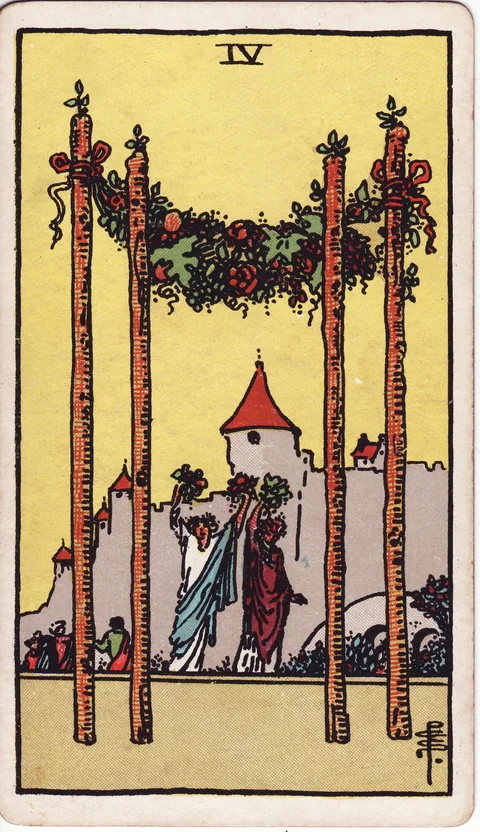
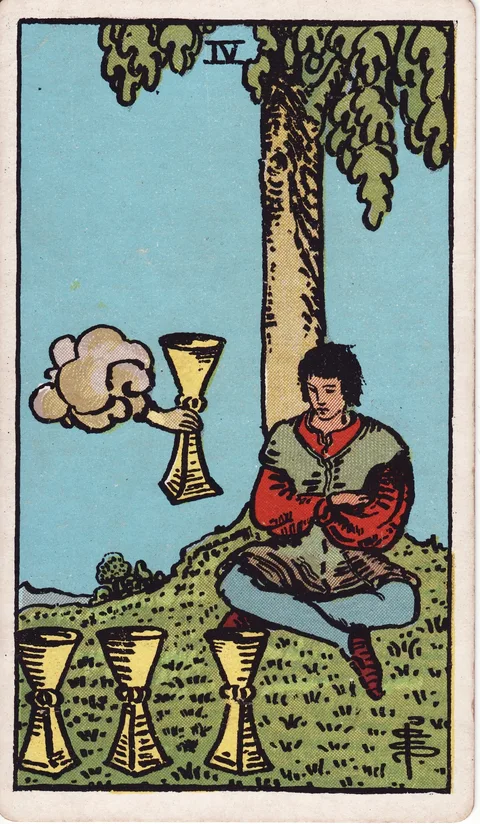
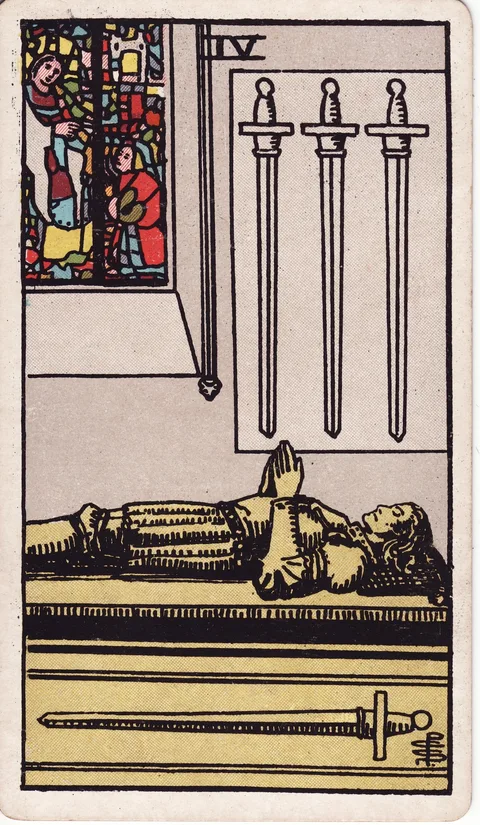
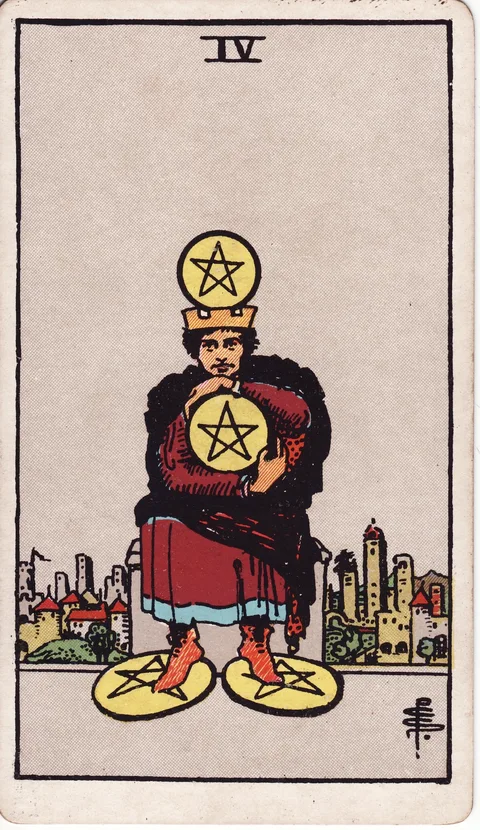
Numerical patterns can aid study, but the same rank does not produce the same event across all suits. Four of Wands shows a shared milestone; Four of Cups a pause in engagement; Four of Swords rest; Four of Pentacles a protective grip.
Combining practical layers #
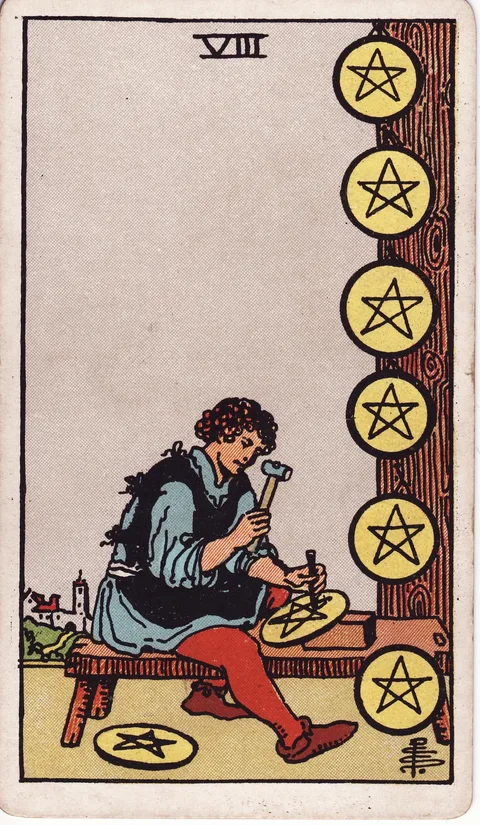
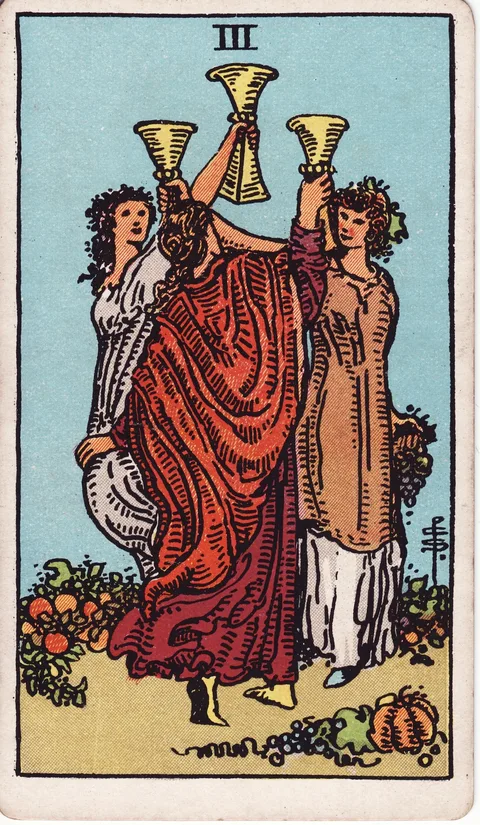
Suppose Eight of Pentacles appears as action and Three of Cups as support. A useful reading might pair focused practice with encouragement from peers. The cards do not compete over whether the question is ‘really’ about work or relationships.
Read position first, then image, suit and optional rank symbolism. Write a sentence that identifies a realistic choice. A Minor card’s value often lies in making a broad question specific enough to discuss.
Minor does not mean insignificant #
The word ‘minor’ names a division of the deck, not a low level of importance. A practical boundary or resource problem may matter more than a grand narrative. Avoid using majors to override the concrete information suggested by a suited card.
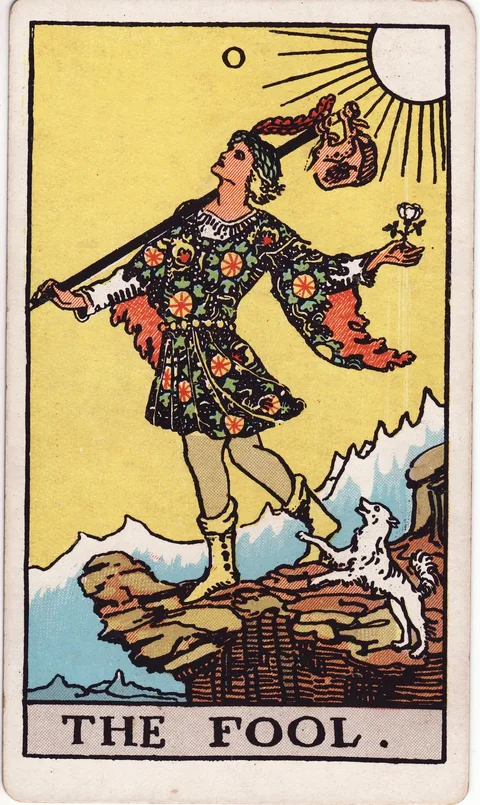
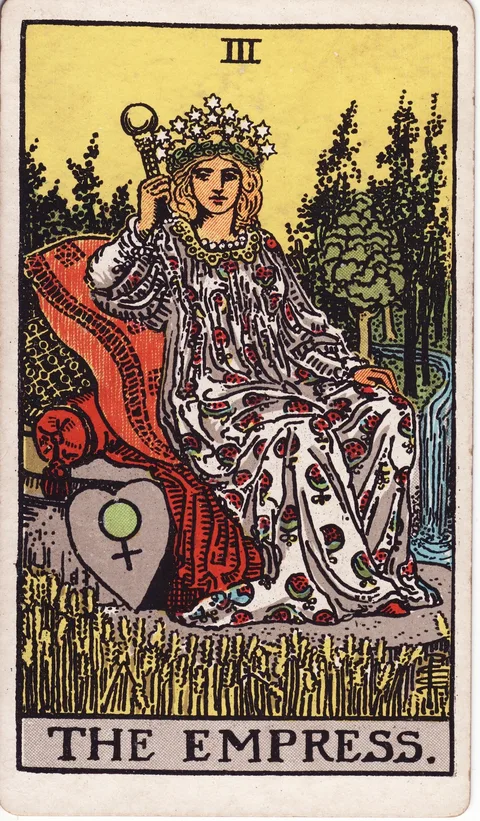
Synergy’s existing daily draw uses only the 22 majors. This library covers the full 78-card deck so you can study and read a complete deck independently of that daily experience.
Sources & editorial notes
Original explanations and hypothetical examples prepared with AI assistance for Synergy. Sources document the traditions described; they do not establish predictive or causal validity.
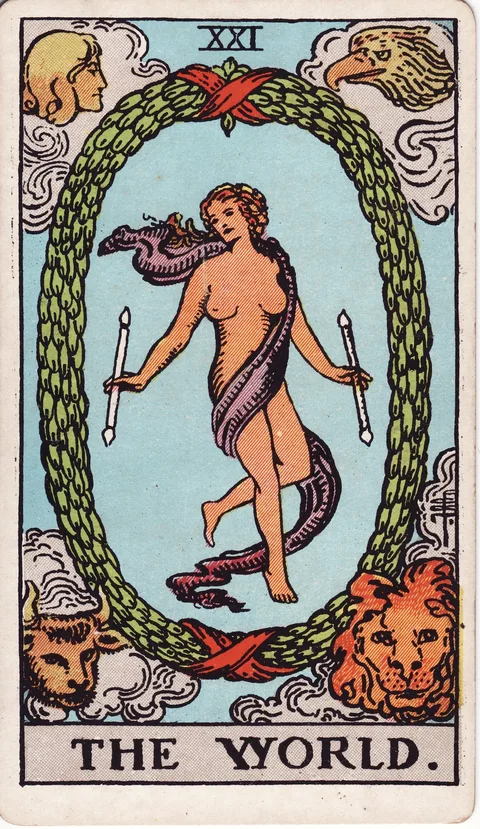
Rider–Waite–Smith artwork by Pamela Colman Smith, public domain. Images are resized historical scans from Wikimedia Commons; the full card images retain their borders and original coloring. Image sources and credits.
- A. E. Waite, The Pictorial Key to the Tarot (1911), illustrated by Pamela Colman Smith
Parts I–III: deck divisions, suit images and card sequence. Interpretive examples here are original.
- Golden Dawn, Book T: The Tarot (historical manuscript compilation)
Printed pages 3–7 and the suit sections: Golden Dawn elemental and astrological attributions.
Related tarot reading
Major Arcana
The 22 named trumps, their role in a reading and the limits of the Fool’s Journey framework.
Understanding court cards
Read Page, Knight, Queen and King as people, roles or approaches without fixed demographic labels.
Numbers in tarot
Use printed ranks and optional digit reduction while keeping card imagery and personal numerology distinct.
Put it into practice
The daily reading uses 22 Major Arcana cards. A draw is not guaranteed to include the card you are studying.
Try Synergy’s daily one-card reading (Major Arcana only) →