On this page
AT A GLANCE
Numbers can add a pattern-reading layer to tarot, especially the Ace-to-Ten suit cards. Start with the printed rank and the card’s image. Digit reduction is optional and must be explained; a tarot number does not calculate or reveal a person’s Life Path.
Explore tarot foundations →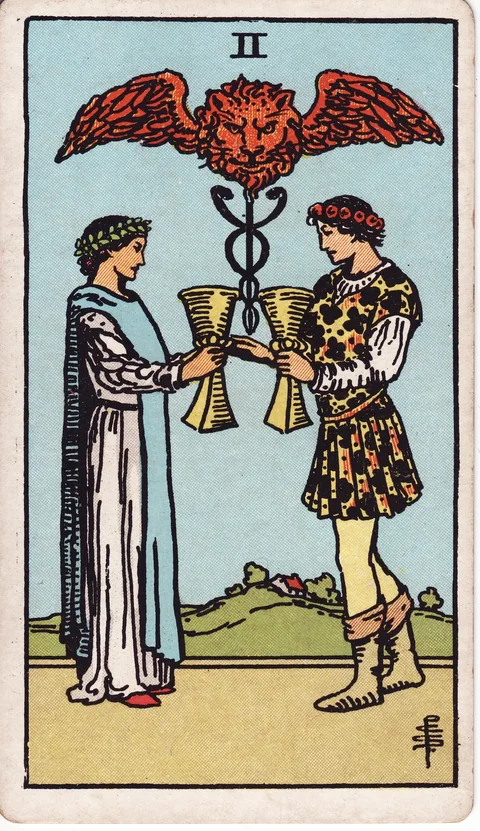
Read ranks before reducing them #
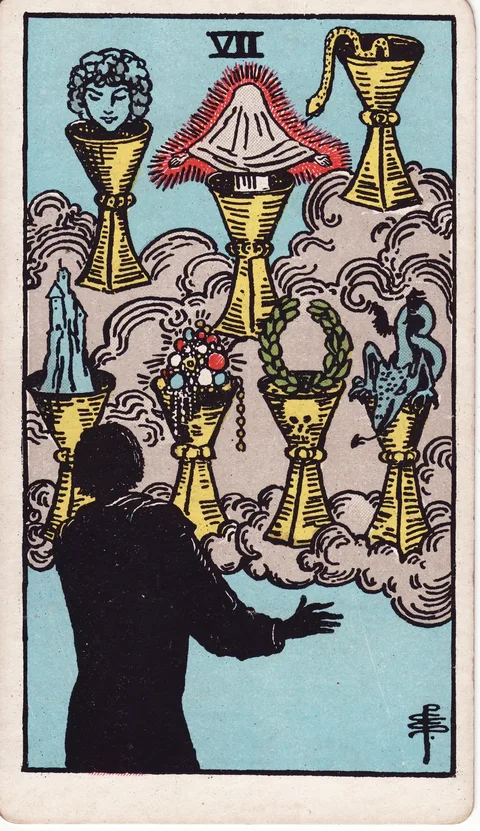
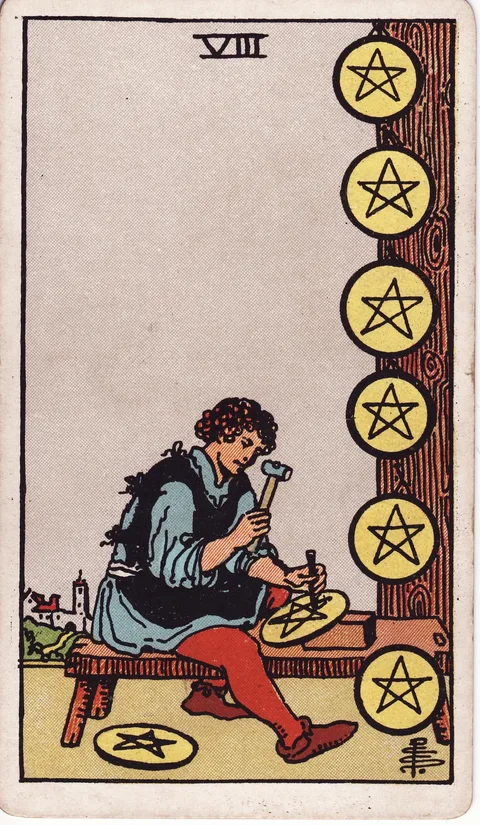
In the method described here, Aces count as 1, and Two through Ten retain their printed ranks. A simple study vocabulary is beginning for 1, relationship or polarity for 2, development for 3, structure for 4, disruption for 5, adjustment for 6, assessment for 7, applied movement for 8 and fruition for 9.
These are prompts, not replacements for pictures. Four of Wands celebrates a foundation while Four of Pentacles grips resources. The shared rank invites comparison; the different scenes prevent them from becoming the same reading.
An optional reduction method #
A Ten may be read both as completion of a suit sequence and, through 1 + 0 = 1, as a new beginning. For the Sun, XIX is 19: 1 + 9 = 10, then 1 + 0 = 1. Keep the printed number visible when using the reduced one.
This tarot method reduces to a single digit rather than automatically preserving the numerology master numbers 11, 22 and 33. Justice XI can therefore be considered as 11 and optionally 1 + 1 = 2; it is not automatically a master-number interpretation.
Deck differences and unnumbered courts #
Strength is VIII and Justice XI in RWS; many Marseille decks place Justice VIII and Strength XI. A correspondence based on the printed number changes with that choice. The Fool is 0 here, not silently reassigned to 22.
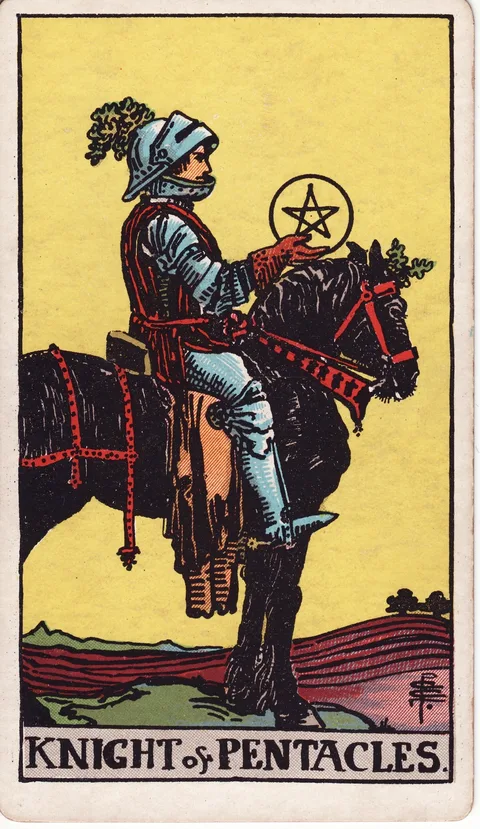
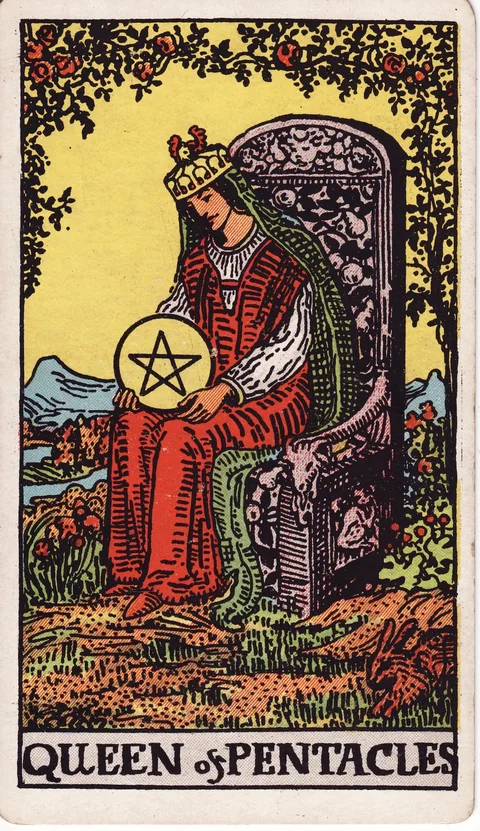
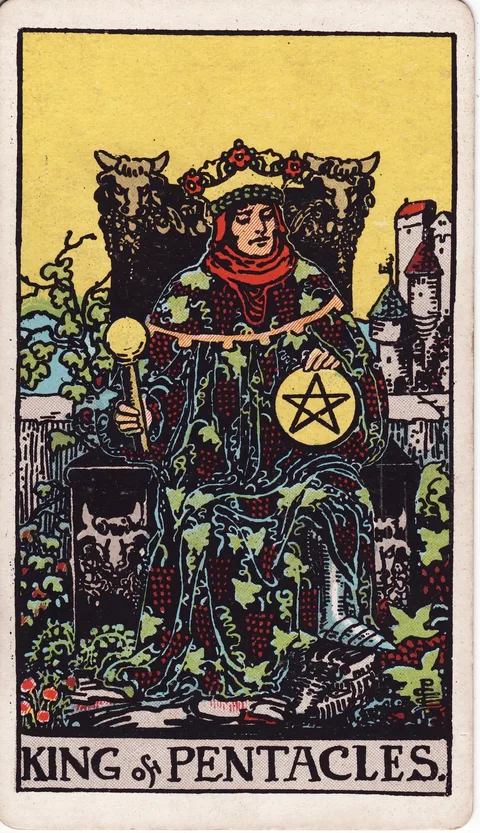
Courts are not given personal numerology values in this library. Some specialist systems number them or calculate birth cards, but those require additional rules. Do not infer a method merely from a court’s place in a list.
Worked comparison #
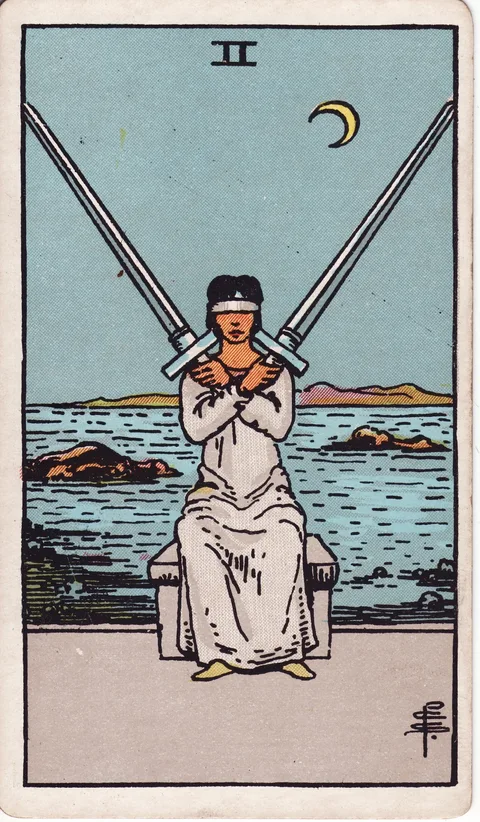
Two of Cups and Two of Swords can both prompt attention to two sides, but one shows exchange and the other a guarded pause. The picture and spread position decide how that broad duality becomes useful.
General number symbolism supplies a separate vocabulary. This is a modern numerological approach to tarot, not proof that the cards measure personal traits or that their astrological correspondences inherit the same number.
ACROSS TRADITIONS
Explore the connections
Optional correspondences within named systems. Each connection has its own context and source.
- numerology · Optional numerical readingNumber 2 →
Number 2 supplies a general vocabulary for an optional numerical tarot reading. Printed rank and digit reduction must be stated; neither method calculates a personal Life Path from a card.
Modern numerological tarot; RWS numbering · Source
Sources & editorial notes
Original explanations and hypothetical examples prepared with AI assistance for Synergy. Sources document the traditions described; they do not establish predictive or causal validity.
Rider–Waite–Smith artwork by Pamela Colman Smith, public domain. Images are resized historical scans from Wikimedia Commons; the full card images retain their borders and original coloring. Image sources and credits.
- Brigit Esselmont, Tarot and Numerology: Interpreting the meaning of numbers in your Tarot cards
Optional printed-rank and digit-reduction method. The comparison examples here are original; personal Life Path values are not inferred.
- A. E. Waite, The Pictorial Key to the Tarot (1911), illustrated by Pamela Colman Smith
RWS card numbering and imagery; the numerical teaching vocabulary is a separate modern layer.
Related tarot reading
Interpreting tarot cards together
Combine positions, repeated motifs and contrasts without turning a spread into an arbitrary story.
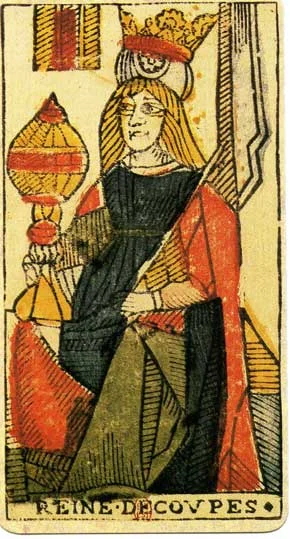
Rider–Waite–Smith, Marseille and Thoth
Compare imagery, numbering and court titles across three influential tarot traditions.
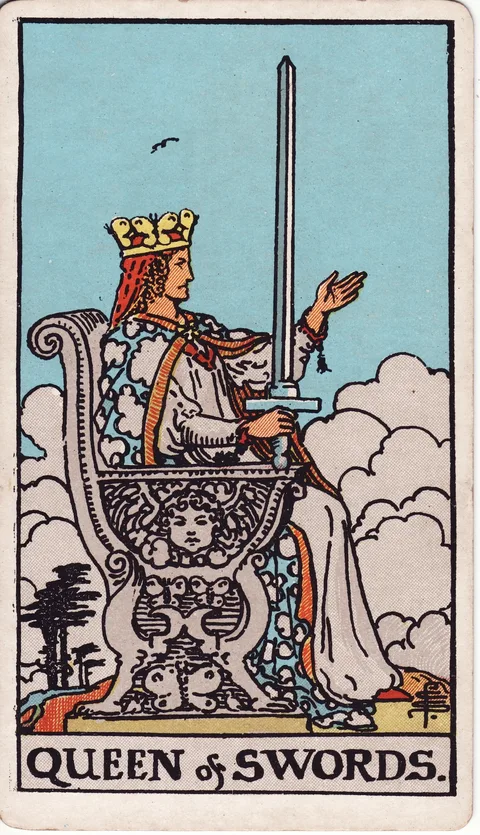
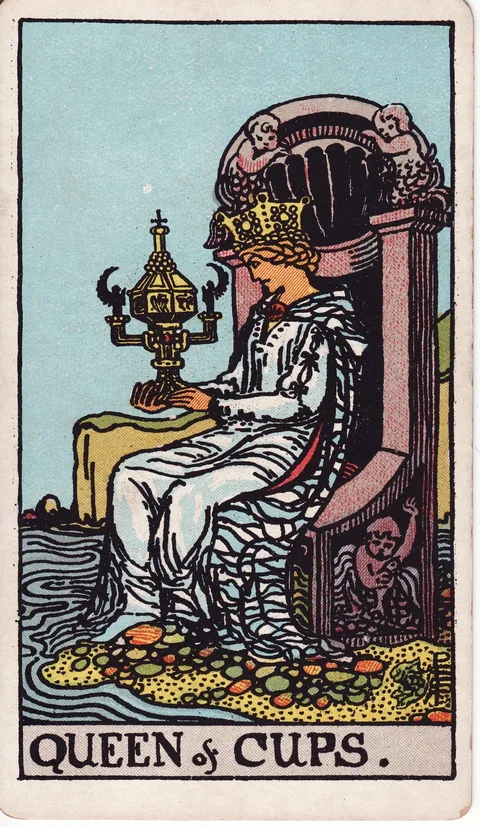
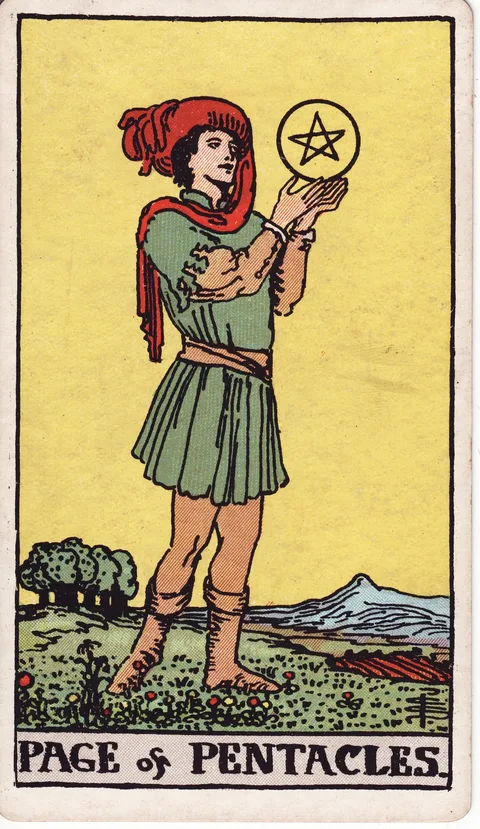
Understanding court cards
Read Page, Knight, Queen and King as people, roles or approaches without fixed demographic labels.
Put it into practice
The daily reading uses 22 Major Arcana cards. A draw is not guaranteed to include the card you are studying.
Try Synergy’s daily one-card reading (Major Arcana only) →