On this page
AT A GLANCE
The Moon represents habitual responses, emotional needs and the ways people seek familiarity or care. It is Earth’s natural satellite and astrology’s second luminary. Its sign is one part of an interpretation; it cannot disclose a person’s private feelings without their own account.
Explore planets and luminaries →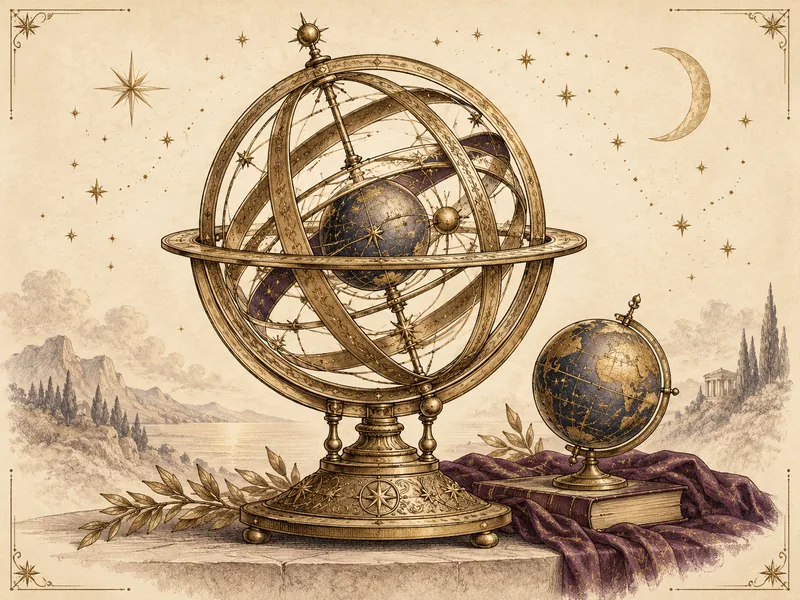
Place in the tradition #
The Moon traditionally rules Cancer. It travels through the zodiac in roughly 27 days, changing signs about every two to three days. The phase cycle from new Moon to new Moon is about 29.5 days, a different measurement. Time matters when the Moon changes signs on a birth date.
Reading the placement #
Read the Moon’s sign as the style of response and its house as a setting where needs may become especially apparent. A Moon in Taurus in the third house might prompt reflection on the comfort of familiar conversations and routines. Aspects show relationships with other chart functions rather than canceling that symbolism.
A practical example #
After a demanding event, one person wants to talk and another wants quiet. A Moon interpretation can start a conversation about such preferences, but asking directly gives better information than assuming the chart already knows. Compare the Sun, Moon and rising sign for their different roles.
Misconceptions and limits #
The Moon is often linked to caregiving and early experience, but it is not a factual biography of a mother or a prediction of fertility. People of any gender can express lunar symbolism. An uncertain birth time may leave the sign secure while making house placement uncertain; check rather than guessing.
ACROSS TRADITIONS
Explore the connections
Optional correspondences within named systems. Each connection has its own context and source.
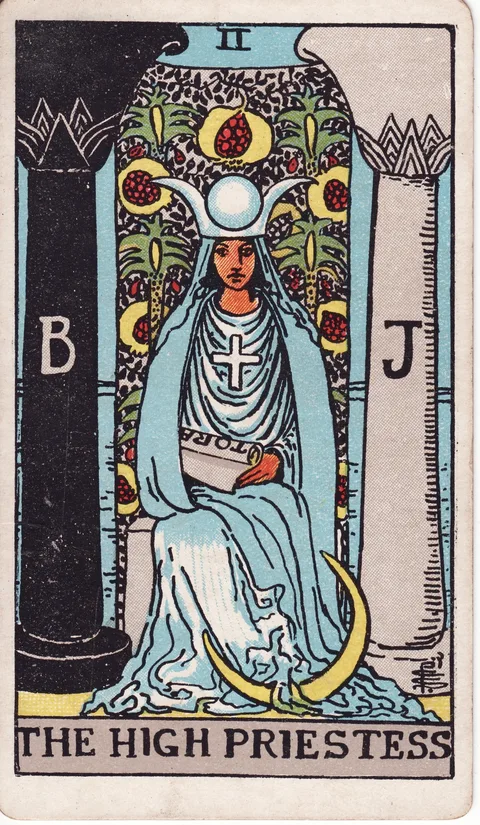
- tarot · Planetary attributionThe High Priestess →
In Golden Dawn tarot, Moon is explicitly assigned to The High Priestess. This optional tarot correspondence is separate from interpreting Moon in an astrological chart.
Golden Dawn / Book T · Source
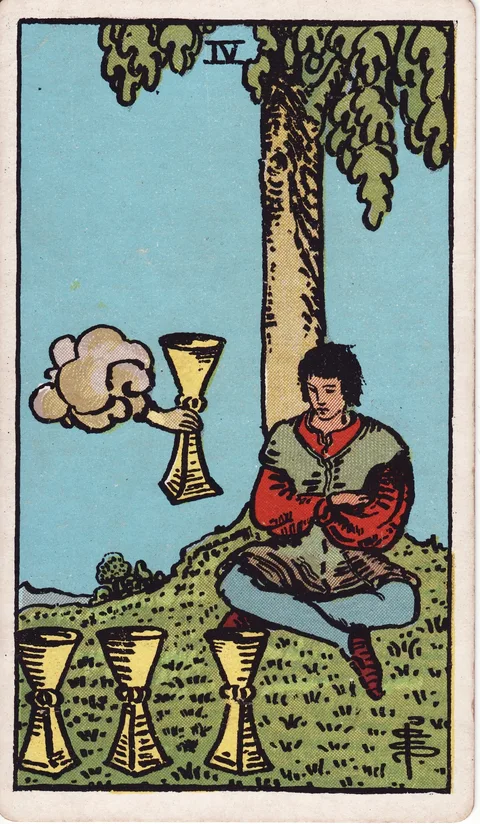
- tarot · Planetary decanFour of Cups →
Four Of Cups is assigned to Moon in Cancer, the third decan of Cancer, in Book T. The pairing explains this tarot association; it is separate from a natal placement or a personal numerology calculation.
Golden Dawn / Book T · Source
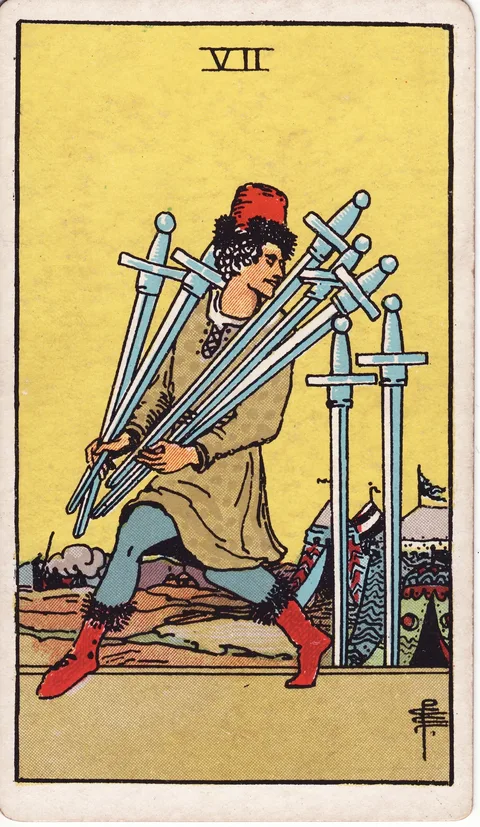
- tarot · Planetary decanSeven of Swords →
Seven Of Swords is assigned to Moon in Aquarius, the third decan of Aquarius, in Book T. The pairing explains this tarot association; it is separate from a natal placement or a personal numerology calculation.
Golden Dawn / Book T · Source
Sources & editorial notes
Original explanations and hypothetical examples prepared with AI assistance for Synergy. Sources document the traditions described; they do not establish predictive or causal validity.
Rider–Waite–Smith artwork by Pamela Colman Smith, public domain. Images are resized historical scans from Wikimedia Commons; the full card images retain their borders and original coloring. Image sources and credits.
- Ptolemy, Tetrabiblos, translated by J. M. Ashmand (1822)
Book I, chapters IV–VII and XX: traditional planetary categories and domiciles.
- Sepharial, Astrology: How to Make and Read Your Own Horoscope (1920 edition)
Section I, The Planets, their Natures and Types. Modern reflective examples here do not adopt historical deterministic claims.